
From first call to fixed process.
Every engagement follows the same five phases: assess, analyze, strategize, implement, optimize. Each phase has a defined output. Nothing is handed off before it holds.


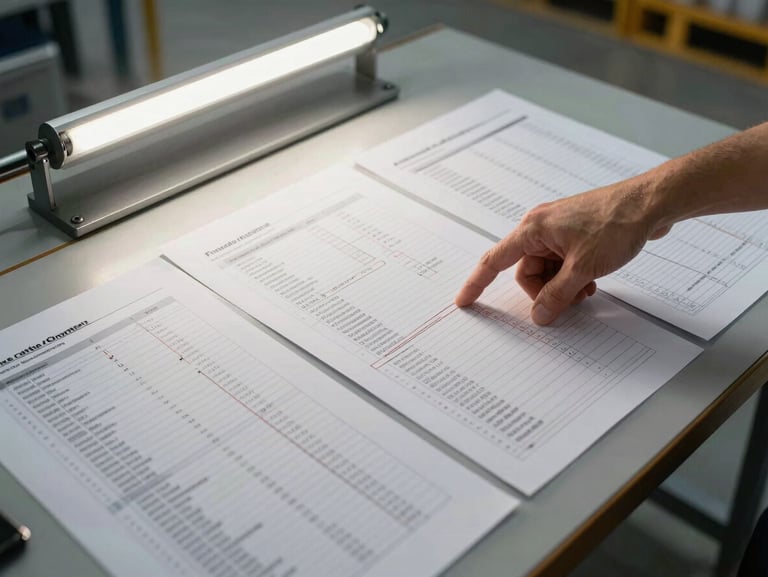


Each phase, in order.
We start on-site, not on a slide deck. Before any recommendation, we map your current operation — freight flows, facility layout, cost structure — against what the business actually needs right now.
Logistics Analysis
We run your actual shipment data, dwell times, and per-unit handling costs through a structured audit. The goal is to find the three or four specific points where cost is leaking — not a category average.
Strategy Development
We build a sequenced plan — not a framework — ranked by impact and feasibility for your operation specifically. Changes are ordered so each one holds before the next begins.
Implementation Support
We work alongside your team through the change — not from a remote dashboard. We stay on-site until the revised process runs without us checking on it.
Performance Optimization
After the process stabilizes, we measure actual output against the baseline numbers from Phase 2 and close any remaining gaps. The engagement ends when the savings are confirmed, not when the plan is written.
Before you book a call.
If something about the engagement model is still unclear, these are the questions we hear most from operations directors before they schedule.
How long does a typical engagement run?
Do you work on-site or remotely?
Which industries do you work with?
How is pricing structured?
Assessment through strategy usually takes four to six weeks. Implementation support runs as long as the process takes to stabilize — typically eight to sixteen weeks depending on operational complexity.
Manufacturers, distributors, retailers, e-commerce operators, and import/export businesses. The common thread is a physical logistics operation with measurable cost leakage to address.
Engagements are scoped after the initial assessment call. Pricing reflects the complexity of your operation, not a fixed package rate. We quote before we start — no surprises mid-engagement.
On-site for assessment, analysis, and implementation. Remote check-ins are available for performance monitoring once the new process is running and stable.
Ready to see where your margin is going?
The first call is a 30-minute walk through your current operation. No pitch deck — just an honest look at where the process is costing you.